
How to Test Your Private Well for Groundwater Contamination
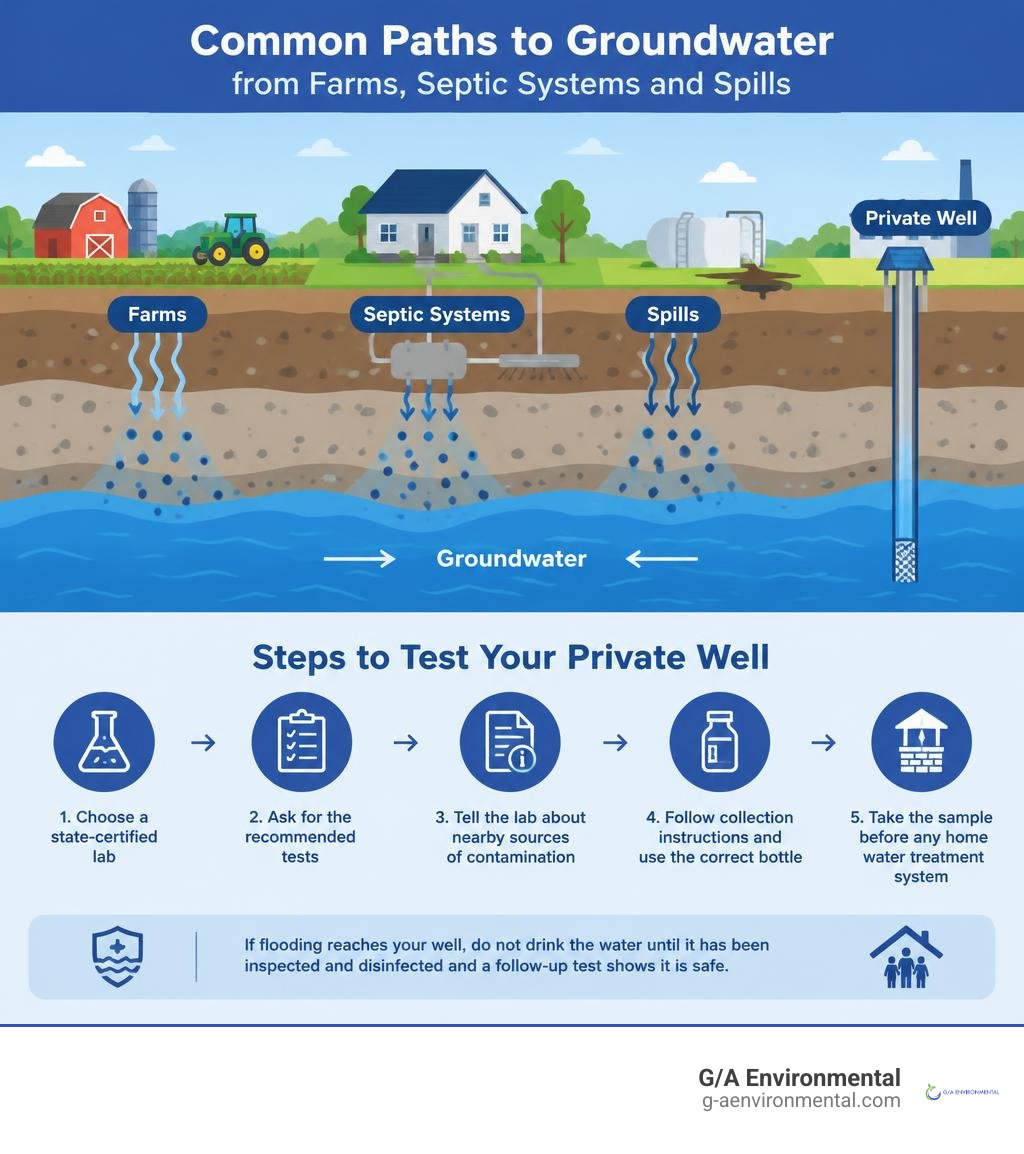
For groundwater contamination testing, start with a state-certified drinking water lab. Ask for an annual test of total coliform bacteria, nitrate, total dissolved solids, and pH. Tell the lab about nearby farms, septic systems, fuel storage, or industrial activity so it can recommend other tests. Follow its bottle and collection instructions exactly, and take the sample before any home water treatment system.
A clear, good-tasting well can still contain harmful contaminants. If flooding reaches your well, do not drink the water until the well has been inspected and disinfected and a follow-up test shows it is safe.
I’m Michael Otto, managing partner at G/A Environmental in Lubbock, Texas. My work in environmental consulting and soil-water testing shapes this practical guide to groundwater contamination testing.
Introduction
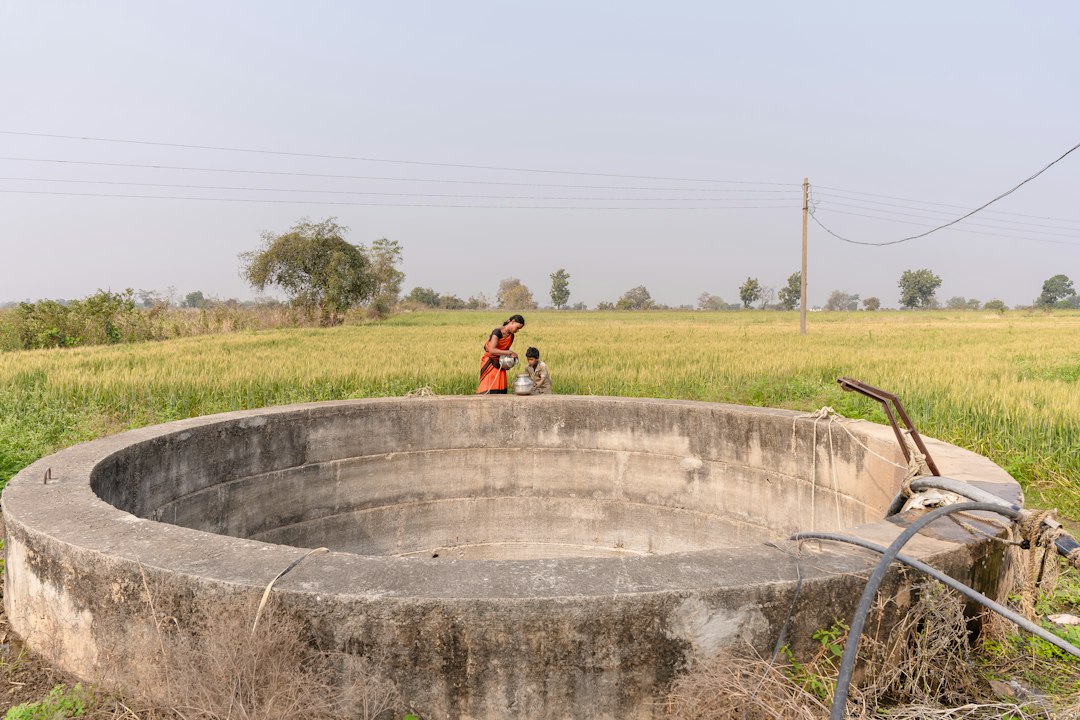
Globally, groundwater represents approximately 30% of our world’s freshwater reserves. Roughly one-third of the global population relies on groundwater as their primary source of drinking water. Here in the United States, more than 90% of rural residents depend entirely on underground aquifers. Across the Great Plains and West Texas, the massive Ogallala Aquifer alone has provided over 500 cubic kilometers of water across four decades—a volume surpassing Lake Nasser in Egypt.
Despite its importance, private domestic drinking water wells receive zero oversight under the federal Safe Drinking Water Act. While municipal utilities are required by law to continuously monitor and treat their supplies, private well owners function as their own water utility managers. You are solely responsible for testing your supply, interpreting laboratory data, and maintaining the structural integrity of your wellhead. Because subsurface geological layers act like a giant, porous sponge rather than an impenetrable filter, dissolved chemicals, microbial pathogens, and toxic heavy metals can readily migrate into your drinking supply undetected.
Common Aquifer Pollutants and Health Hazards
Groundwater contaminants generally fall into three categories: naturally occurring (geogenic) elements, anthropogenic (human-made) chemicals, and biological pathogens. Understanding what might lurk beneath your property is the first step toward effective mitigation.
Natural geological deposits can release toxic heavy metals into drinking water. Geogenic arsenic is widespread across domestic aquifers, affecting an estimated 4.1 million people across the Lower 48 states. Long-term exposure to arsenic is linked to chronic skin disorders, circulatory issues, and multiple forms of cancer. Similarly, corrosive groundwater can aggressively leach toxic heavy metals from household plumbing lines, making specialized lead testing essential for older rural structures.
Human activities introduce an even broader range of hazardous compounds. Agricultural runoff is a primary driver of elevated nitrate and nitrite levels. When consumed by infants under six months of age, high nitrates disrupt oxygen transport in the bloodstream, leading to methemoglobinemia (commonly known as “blue baby syndrome”). Synthetic volatile organic compounds (VOCs)—such as benzene, toluene, and chlorinated industrial solvents like TCE—originate from fuel tanks, industrial facilities, and dry cleaners. Additionally, “forever chemicals,” known as per- and polyfluoroalkyl substances (PFAS), have become a major concern, with studies suggesting up to 95 million Americans rely on groundwater containing detectable PFAS concentrations.
Microbiological contaminants represent an immediate health hazard. Total coliform bacteria serve as the standard indicator for sanitary vulnerabilities. While many coliform strains are harmless, their presence proves that surface runoff, animal waste, or septic effluent has breached your well casing, opening pathways for virulent pathogens such as E. coli, giardia, and enteric viruses.
To identify potential hazards that begin near the surface before reaching your aquifer, property owners often rely on techniques for identifying subsurface soil contamination.
| Contaminant Class | Common Examples | Primary Sources | Health & Aesthetic Impacts |
|---|---|---|---|
| Microbiological | E. coli, Total Coliform, Viruses | Septic failures, livestock operations, surface runoff | Acute gastrointestinal illness, cramps, fever |
| Nutrients | Nitrates, Nitrites | Fertilizer applications, feedlots, sewage disposal | Infant methemoglobinemia (“blue baby syndrome”) |
| Heavy Metals | Arsenic, Lead, Copper, Uranium | Mineral weathering, legacy piping, industrial discharge | Carcinogenic risks, neurological damage, kidney strain |
| Volatile Organics | Benzene, Toluene, Trichloroethylene (TCE) | Leaking fuel storage, industrial degreasers, dry cleaners | Liver damage, central nervous system disorders, cancer |
| Perfluorinated Compounds | PFOA, PFOS, PFNA (PFAS) | Firefighting foams, landfills, industrial manufacturing | Immune suppression, endocrine disruption, cholesterol spikes |
| Nuisance Minerals | Iron, Manganese, Hardness | Natural mineral dissolution | Plumbing scaling, fixture staining, metallic taste |
Extensive research on private well testing confirms that roughly 23% of domestic wells nationwide contain at least one contaminant exceeding health-protective benchmarks, underscoring the necessity of proactive laboratory analysis.
Testing Schedules and Environmental Risk Triggers
Maintaining high water quality requires establishing a regular testing schedule and knowing when surrounding environmental conditions demand immediate laboratory analysis.
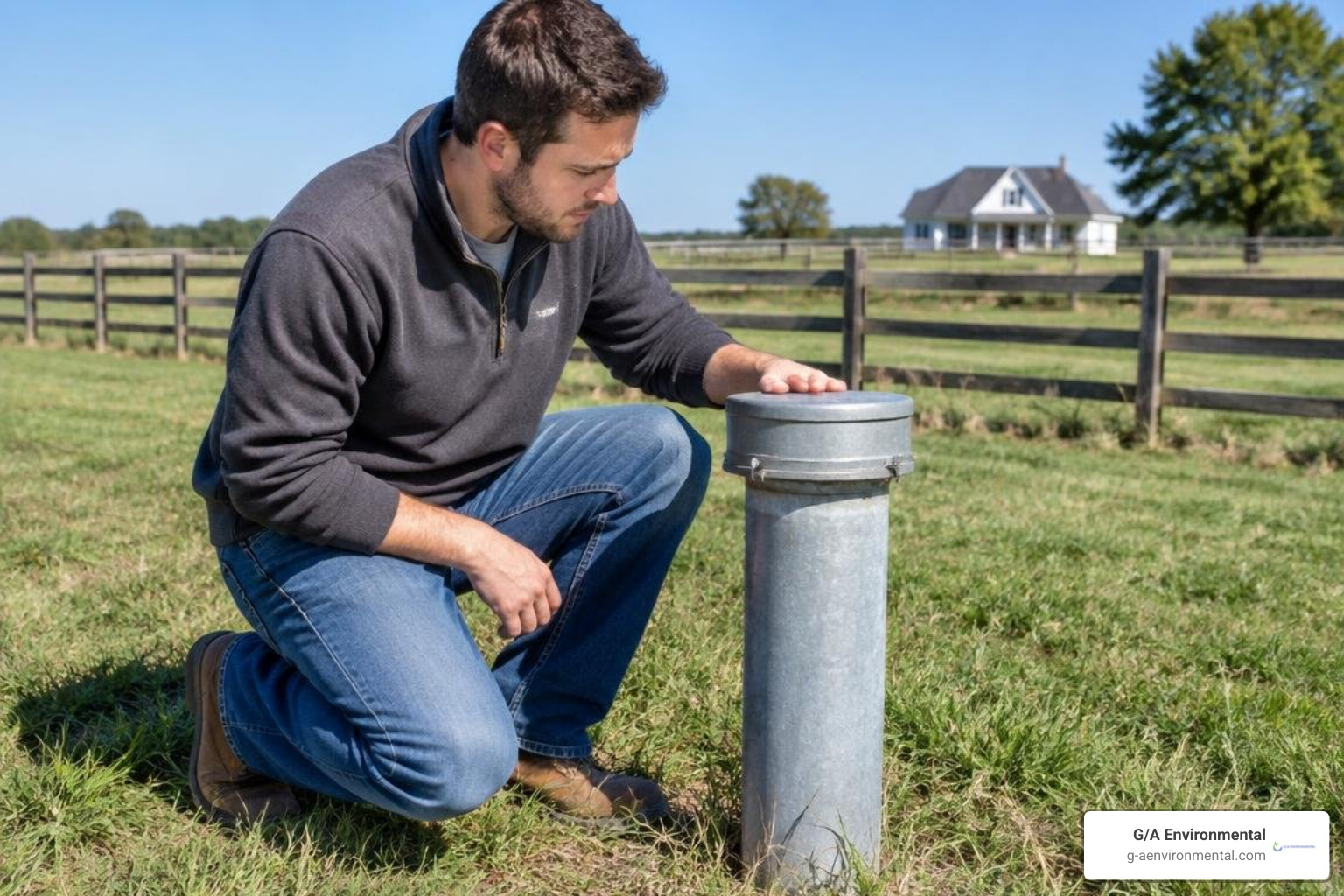
A secure well requires proper sanitary physical design. Your well casing must extend at least 12 inches above the ground level and be fitted with a vermin-proof, watertight sanitary seal. Maintain strict physical setback distances: keep the wellhead at least 50 feet away from septic tanks and sewer lines, and at least 200 feet from livestock yards, chemical storage, or cesspools.
Routine Schedule for Groundwater Contamination Testing
We recommend establishing a baseline by adhering to the following testing timeline:
- Annually (Every 12 Months): Test for total coliform bacteria, nitrates/nitrites, total dissolved solids (TDS), and pH. These basic indicator parameters reveal whether sanitary seals have failed, agricultural runoff is infiltrating the water table, or shifting water acidity is increasing plumbing corrosion.
- Every 5 Years: Run an expanded screening panel covering volatile organic compounds (VOCs), synthetic organic compounds (pesticides and herbicides), lead, copper, and nuisance minerals like iron and manganese.
- Geological Baseline (Once initially or upon property purchase): Test for regional geogenic threats such as arsenic, gross alpha radiation, uranium, and radon to characterize the native mineral profile of your deep aquifer.
Reviewing federal guidelines on private drinking water protection provides additional actionable insights on tailored testing schedules based on regional agricultural profiles.
Environmental Triggers Requiring Immediate Analysis
Do not wait for your annual testing window if you experience any of the following events:
- Sensory Changes: Any abrupt shift in water color, clarity, effervescence, taste, or odor (such as sulfurous “rotten egg” smells or sweet chemical notes) requires immediate investigation.
- Flooding and Natural Disasters: If floodwaters submerge your wellhead, assume the well is contaminated with surface pathogens and agricultural chemicals.
- Nearby Industrial or Drilling Activity: Proximity to natural gas hydraulic fracturing, mining operations, or industrial sites calls for targeted testing for barium, strontium, chloride, total petroleum hydrocarbons (TPH), and dissolved methane.
- Plumbing and Infrastructure Repairs: Any mechanical work on the submersible pump, drop pipe, or pressure tank can introduce bacterial contamination into the well casing.
- Surrounding Land-Use Changes: New intensive agricultural spraying, nearby chemical spills, or septic system failures on adjacent properties warrant immediate chemical analysis.
Step-by-Step Field Protocols for Groundwater Contamination Testing
Collecting a representative water sample requires strict adherence to quality assurance and quality control (QA/QC) protocols. Careless sampling can introduce ambient air, dust, or pipe-scale metals into sample vials, yielding false positives that result in unnecessary stress and expensive, unneeded treatment installations.

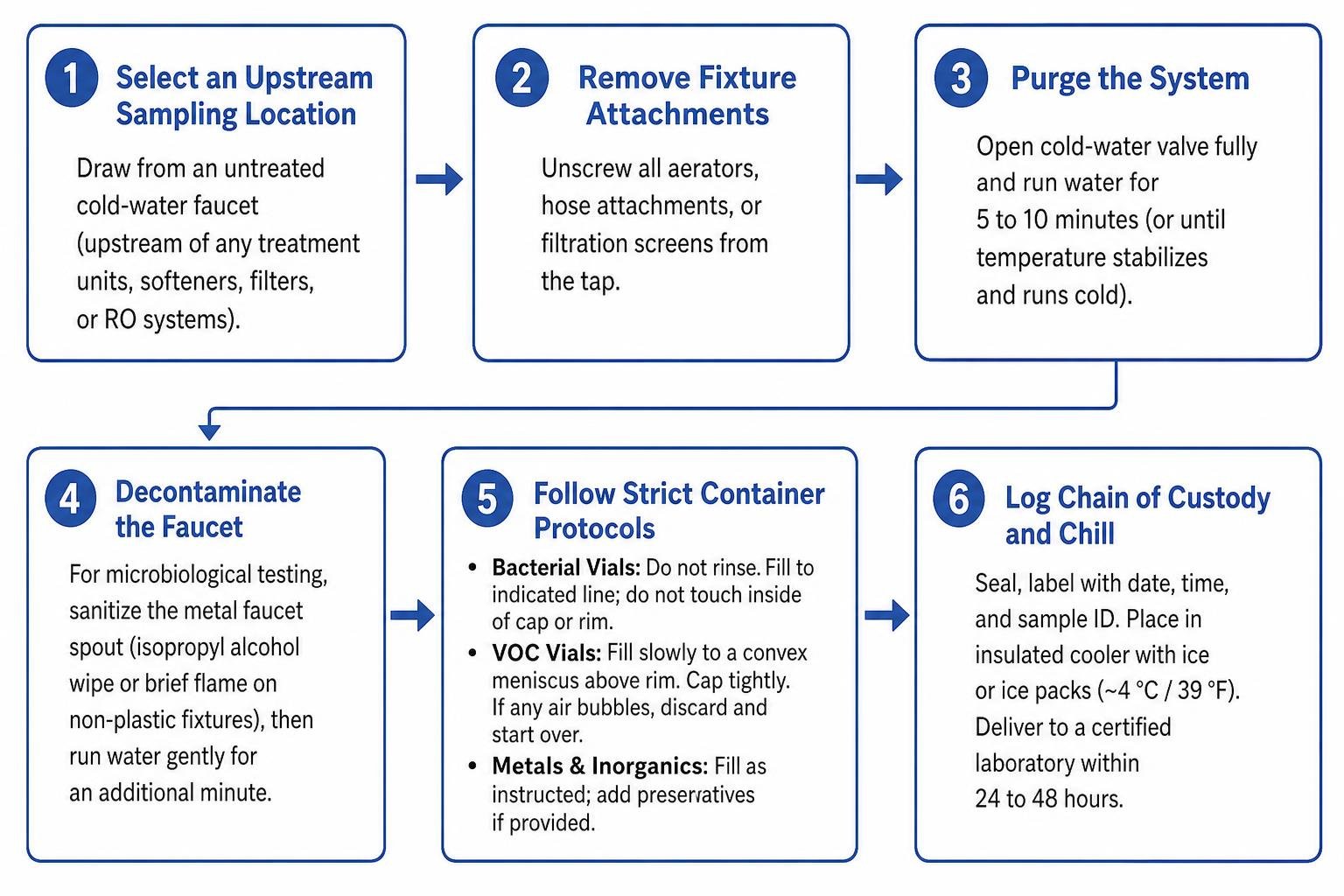
Follow this step-by-step procedure when collecting drinking water samples:
- Select an Upstream Sampling Location: Always draw samples from an untreated cold-water faucet (such as an outside hose bib or laundry sink) located upstream of any point-of-entry water treatment units, water softeners, sediment filters, or reverse osmosis systems.
- Remove Fixture Attachments: Unscrew all aerators, hose attachments, or filtration screens from the tap. These components trap bacterial biofilms and particulate matter that skew test results.
- Purge the System: Open the cold-water valve fully and run the water for 5 to 10 minutes (or until the water temperature stabilizes and runs cold). This flushes stagnant water from the pressure tank and distribution pipes, ensuring the sample reflects fresh formation water drawn straight from the aquifer.
- Decontaminate the Faucet: For microbiological testing, sanitize the metal faucet spout using an isopropyl alcohol wipe or a brief flame application (on non-plastic fixtures), then run the water gently for an additional minute.
- Follow Strict Container Protocols:
- Bacterial Vials: These contain a small sodium thiosulfate tablet or powder to neutralize residual chlorine. Do not rinse the bottle. Fill to the indicated fill line without overflowing, and avoid touching the inside of the cap or bottle rim.
- VOC Vials: Fill glass vials slowly to minimize aeration until a convex meniscus rises slightly above the rim. Cap tightly and invert the vial; if any air bubbles are visible, discard the sample and start over with a fresh vial to prevent volatilization loss.
- Metals and General Inorganics: Fill clean polyethylene containers as instructed by the laboratory, adding necessary chemical preservatives (such as nitric acid for heavy metals) if provided in the sampling kit.
- Log Chain of Custody and Chill: Immediately seal all sample bottles, label them with the date, time, and sample ID, and place them into an insulated cooler packed with ice or ice packs to maintain a temperature of roughly 4 degrees Celsius (39 degrees Fahrenheit). Deliver the cooler to your state-certified testing laboratory within 24 to 48 hours to meet strict regulatory hold-time limits.
For commercial and specialized environmental site monitoring, environmental professionals use structured low-flow sampling techniques to prevent subsurface agitation, as detailed in established regulatory guidance for groundwater sampling.
Interpreting Laboratory Results, Regulatory Benchmarks, and Remediation
When your laboratory analysis report arrives, compare your analytical results directly against established drinking water standards.
Primary drinking water standards set by the EPA are known as Maximum Contaminant Levels (MCLs). These are legally enforceable thresholds for public water suppliers designed to protect human health against chronic and acute toxicities. For example, the MCL for nitrate-nitrogen is 10 milligrams per liter (mg/L), the MCL for arsenic is 10 micrograms per liter (µg/L or parts per billion), and the standard for E. coli is zero detections.
Secondary standards, often referred to as Recommended Upper Limits (RULs) or Secondary Maximum Contaminant Levels, govern aesthetic qualities such as taste, odor, staining, and plumbing corrosion. For example, iron concentrations exceeding 0.3 mg/L or manganese above 0.05 mg/L present no immediate health risk to healthy adults but will stain fixtures and laundry.
To interpret your water quality report, consult state well testing standards, which offer comprehensive tables comparing health limits with aesthetic benchmarks.
If your water analysis exceeds health-based standards, several proven remediation options are available:
- Point-of-Use (POU) Reverse Osmosis: Highly effective at removing heavy metals, arsenic, nitrates, PFAS, and dissolved minerals from dedicated kitchen drinking taps.
- Ion Exchange and Water Softening: Utilized to eliminate calcium, magnesium, dissolved iron, and specific radioactive isotopes like radium.
- Granular Activated Carbon (GAC): The primary solution for absorbing volatile organic compounds, synthetic pesticides, industrial solvents, and taste-and-odor compounds.
- Continuous Disinfection (Ultraviolet UV Systems or Chlorination): Essential for neutralising bacterial pathogens and viral risks after physical well repairs are completed.
For larger-scale industrial groundwater contamination plumes, advanced in situ engineering technologies such as Permeable Reactive Barriers (PRBs) provide continuous remediation (Al-Hashimi et al., 2021). These underground barriers utilize reactive materials like Zero-Valent Iron (ZVI) to passively treat contaminants under natural hydraulic gradients without requiring expensive pump-and-treat systems. At historical mining and industrial cleanups, ZVI barriers have successfully reduced dissolved uranium concentrations from 396 µg/L to below 0.24 µg/L and lowered chromium levels from over 1,500 µg/L to roughly 1 µg/L over years of continuous operation (Al-Hashimi et al., 2021).
Emerging Technologies in Groundwater Contamination Testing
The environmental monitoring sector continues to evolve rapidly. Modern analytical laboratories now deploy high-resolution Inductively Coupled Plasma Mass Spectrometry (ICP-MS) and Gas Chromatography-Mass Spectrometry (GC-MS) capable of detecting pollutants down to parts-per-trillion (ppt) concentrations.
In the field, environmental professionals are increasingly using automated telemetry sensors to track groundwater parameters in real time. Combined with machine learning hydrogeological algorithms, these tools can predict contaminant plume migration patterns and identify water quality shifts before they impact nearby drinking wells.
To locate qualified facilities equipped with these diagnostic tools, property owners can consult USGS laboratory testing locator resources.
Frequently Asked Questions about Groundwater Contamination
Are private residential drinking wells regulated under federal water quality standards?
No. The US Environmental Protection Agency enforces drinking water quality standards strictly for public community water systems under the Safe Drinking Water Act. Private residential wells serving single-family homes receive no federal regulatory oversight. Well owners bear total legal, financial, and operational responsibility for testing their groundwater, interpreting the analytical findings, and installing appropriate on-site treatment systems.
What immediate steps should be taken if a private well is submerged by floodwaters?
If floodwaters rise over your wellhead, follow these safety steps immediately:
- Avoid Electrical Hazards: Do not approach the well or touch electrical control boxes while standing in water; shut off electrical power to the submersible pump at the main breaker panel.
- Do Not Consume the Water: Floodwaters carry high concentrations of raw sewage, industrial runoff, and agricultural waste. Do not drink, cook, or brush teeth with well water until it has been professionally rehabilitated.
- Clean and Disinfect the Well: Hire a qualified well contractor to inspect the casing, clear silt from the borehole, and perform shock chlorination using concentrated sodium hypochlorite.
- Purge and Re-Test: Pump the well until the water discharges completely clear, and send a water sample to a certified laboratory. Do not resume drinking the water until follow-up laboratory testing confirms zero presence of coliform bacteria.
How do I find a certified laboratory to analyze my well water?
Always rely on drinking water laboratories certified by your state environmental agency or accredited through the National Environmental Laboratory Accreditation Program (NELAP). You can locate certified laboratories by contacting your county health department, reviewing your state’s Department of Environmental Protection website, or consulting regional agricultural extension offices.
Conclusion
Groundwater is our most vital hidden resource, but maintaining a safe water supply requires regular oversight. Because dangerous contaminants like arsenic, industrial VOCs, nitrates, and microbial pathogens can be completely odorless, colorless, and tasteless, professional laboratory testing is the only definitive way to confirm that your drinking water is pure and wholesome. By sticking to an annual testing schedule, monitoring physical wellhead security, and acting quickly when local land uses change, you can safeguard your household’s health and preserve your property’s long-term value.
At G/A Environmental, we bring over 40 years of trusted environmental engineering and consulting experience to property owners, industrial facilities, and rural communities across West Texas. Whether you need routine water testing, air monitoring, lead and asbestos surveys, or a comprehensive professional environmental site assessment, our team delivers the scientific precision and practical solutions required to protect your environment. Contact our Lubbock office today to speak directly with an environmental specialist about securing your water quality.
References
Al-Hashimi O, Hashim K, Loffill E, Marolt Čebašek T, Nakouti I, Faisal AAH, Al-Ansari N. “A Comprehensive Review for Groundwater Contamination and Remediation: Occurrence, Migration and Adsorption Modelling..” Molecules (Basel, Switzerland), 2021. PMCID PMC8512142.