Why Asbestos Inspections Matter Before Building Work
Asbestos inspections identify materials that may contain asbestos before they are disturbed. A qualified inspector checks the areas affected by planned work, collects samples of suspect materials, and sends them to a lab for testing. If you own a building in West Texas, schedule the inspection before renovation or demolition so you can plan the work safely and check which rules apply to your project.
Asbestos cannot be confirmed by sight alone. A clear inspection report tells you where tested materials are, what the lab found, and which materials may need to be managed before work begins.
I’m Michael Otto, Managing Partner at G/A Environmental and a Texas-licensed asbestos consultant. From more than 40 years of company experience, I help building owners and school districts use asbestos inspections to make informed plans for their properties.
Understanding Regulated Building Hazards and Health Risks
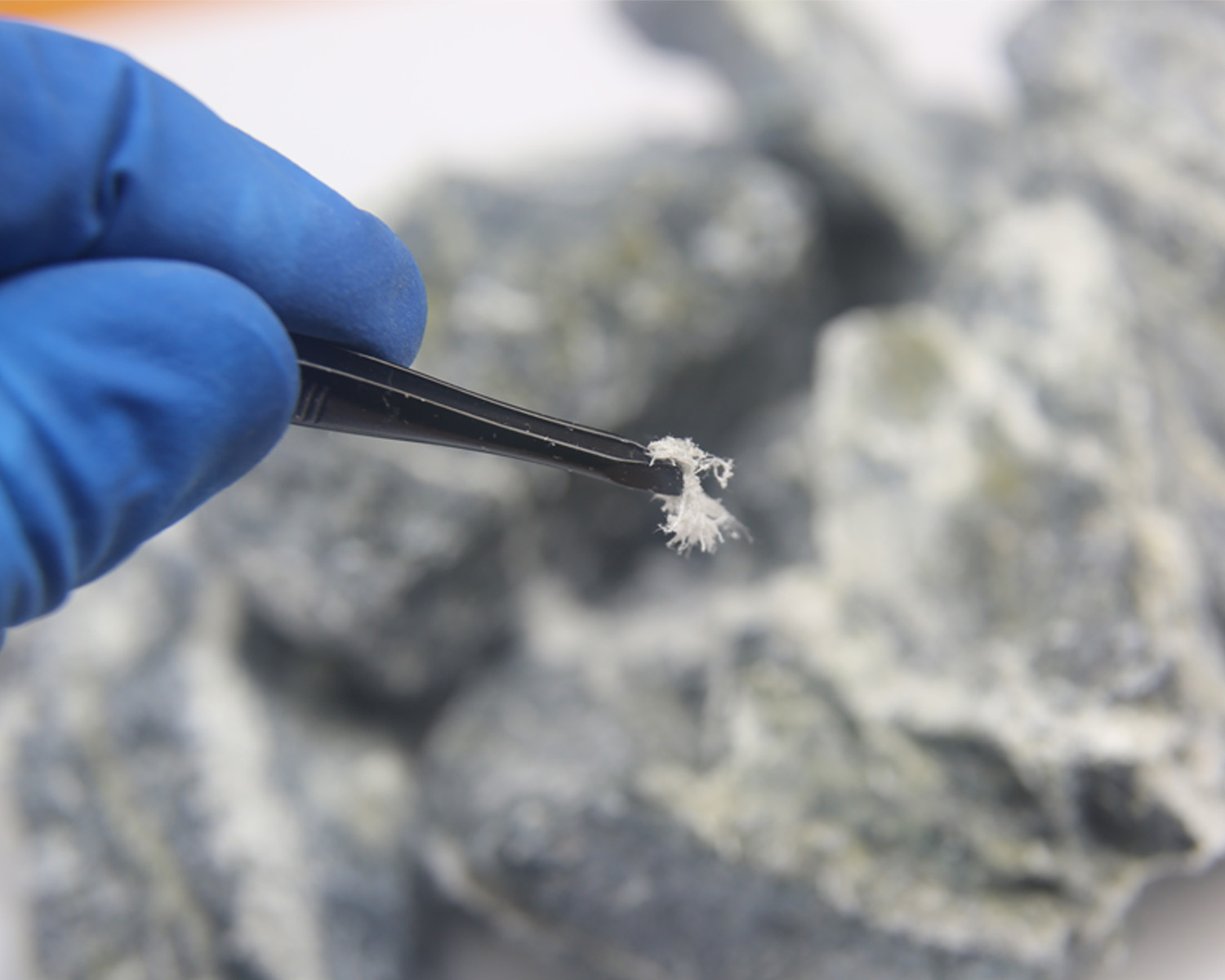
For decades, asbestos was hailed as a miracle mineral. It was cheap, exceptionally strong, chemically inert, and virtually fireproof. Builders incorporated it into thousands of commercial and residential products from the early 1920s straight through the late 1980s. Unfortunately, microscopic asbestos fibers pose severe, irreversible health risks when released into the air and inhaled.
When disturbed materials break down, microscopic mineral fibrils linger suspended in the indoor air. Inhaling these fibers leads to chronic cellular inflammation and severe diseases that often take 20 to 50 years to manifest:
- Mesothelioma: An aggressive, terminal cancer of the lining of the lungs, chest cavity (pleural), or abdomen (peritoneal), almost exclusively caused by asbestos exposure.
- Lung Cancer: Malignant tumors in the lung tissue, with risks multiplying drastically for individuals who also have a history of smoking.
- Asbestosis: A progressive, permanent scarring of lung tissue that restricts breathing capacity and causes chronic respiratory failure.
Because of these catastrophic health outcomes, state and federal environmental agencies heavily regulate how suspect building materials must be inspected, handled, and removed. Meeting state environmental compliance standards protects construction crews, facility workers, and the general public from preventable toxic exposures. At G/A Environmental, we provide comprehensive asbestos testing and consulting to ensure facilities maintain complete safety and regulatory compliance.
| Hazardous Material | Historical Ban / Regulation Period | Primary Structural Locations | Primary Health Hazard |
|---|---|---|---|
| Asbestos | Major EPA bans began 1970s; ongoing uses strictly regulated | Thermal insulation, floor tiles, acoustic plasters, roofing felts, transite panels | Mesothelioma, asbestosis, lung cancer |
| Lead-Based Paint | Banned for residential use in the U.S. in 1978 | Window sills, trim, exterior siding, metal railings, structural steel | Neurological damage, cognitive impairment, developmental delays in children |
Common Locations of Asbestos and Lead in Older Buildings
Suspect materials fall into two primary physical categories: friable and non-friable. Friable materials crumble easily under hand pressure, releasing fibers into the air with minimal contact. Non-friable materials bind fibers tightly inside resilient matrices like cement or vinyl, though cutting, sanding, grinding, or structural demolition will still pulverize them into airborne dust.
You will typically encounter regulated materials across several key building assemblies:
- Acoustic & Decorative Surfacing: Popcorn ceilings, textured acoustic wall sprays, blown-in decorative plaster, and fireproofing overspray on structural steel beams.
- Thermal System Insulation (TSI): Magnesia pipe wrap, corrugated air-cell insulation around hot water and steam lines, boiler tank jackets, and duct seam mastic.
- Flooring Products: Resilient vinyl composition tiles (VCT), asphalt-based floor tiles (commonly historic 9×9 inch varieties), sheet vinyl paper backings, and black cutback adhesive mastic.
- Exterior & Roofing: Transite cement siding panels, corrugated cement roofing, built-up roofing felts, flashing caulks, and window glazing compounds.
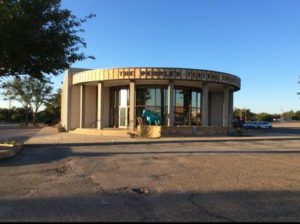
We regularly encounter these legacy materials during projects across West Texas, such as our comprehensive commercial building inspection in Lubbock, where thorough sampling protects renovation crews before walls are opened.
Lead Inspection vs. Lead Risk Assessment
Lead paint and asbestos frequently coexist in structures built prior to 1978. Property owners often confuse a lead inspection with a lead risk assessment, but they serve two distinct compliance purposes:
- Lead Inspection: A surface-by-surface investigation designed to determine the presence and exact concentration of lead-based paint on every painted component. Inspectors use high-precision, non-destructive X-Ray Fluorescence (XRF) spectrum analyzers or laboratory paint chip analysis. It answers a simple question: Where is lead-based paint present in the building?
- Lead Risk Assessment: An evaluative investigation that determines whether lead hazards currently exist. The assessor inspects paint condition (peeling, chipping, cracking), tests friction surfaces (windows and doors), collects settled dust wipe samples, and tests bare exterior soil. It answers: Is deteriorated paint or lead dust creating an active hazard for occupants, and how can it be mitigated?
Regulatory Protocols and Legal Requirements for Asbestos Inspections
Under federal Environmental Protection Agency (EPA) National Emission Standards for Hazardous Air Pollutants (NESHAP) regulations (40 CFR Part 61, Subpart M), building owners or operators must thoroughly inspect any affected facility for asbestos prior to any demolition or planned renovation. This rule applies to commercial real estate, institutional properties, industrial complexes, and multi-family residential structures with more than four dwelling units.
School districts must adhere to the Asbestos Hazard Emergency Response Act (AHERA, 40 CFR Part 763), which requires comprehensive initial baseline surveys, ongoing management plans, and recurring inspections of all educational facilities. State-level oversight, including state asbestos control regulations and labor rules, sets strict requirements for inspector credentialing and mandatory notifications.
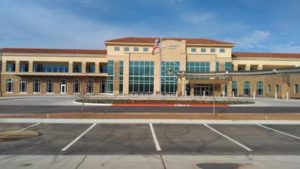
A crucial industry standard is the three-year validity window. An asbestos building inspection report remains acceptable for regulatory permitting and bidding for three years prior to renovation or demolition. If your building survey exceeds three years without verification, you must hire a licensed inspector to re-evaluate the site, verify material conditions, and confirm no new renovations have disturbed suspect areas. Failure to properly assess materials leaves property owners directly liable for hazardous exposure claims and severe regulatory fines. We verified this exact protocol during our inspection of a commercial building in Amarillo.
Management Surveys vs. Pre-Demolition Asbestos Inspections
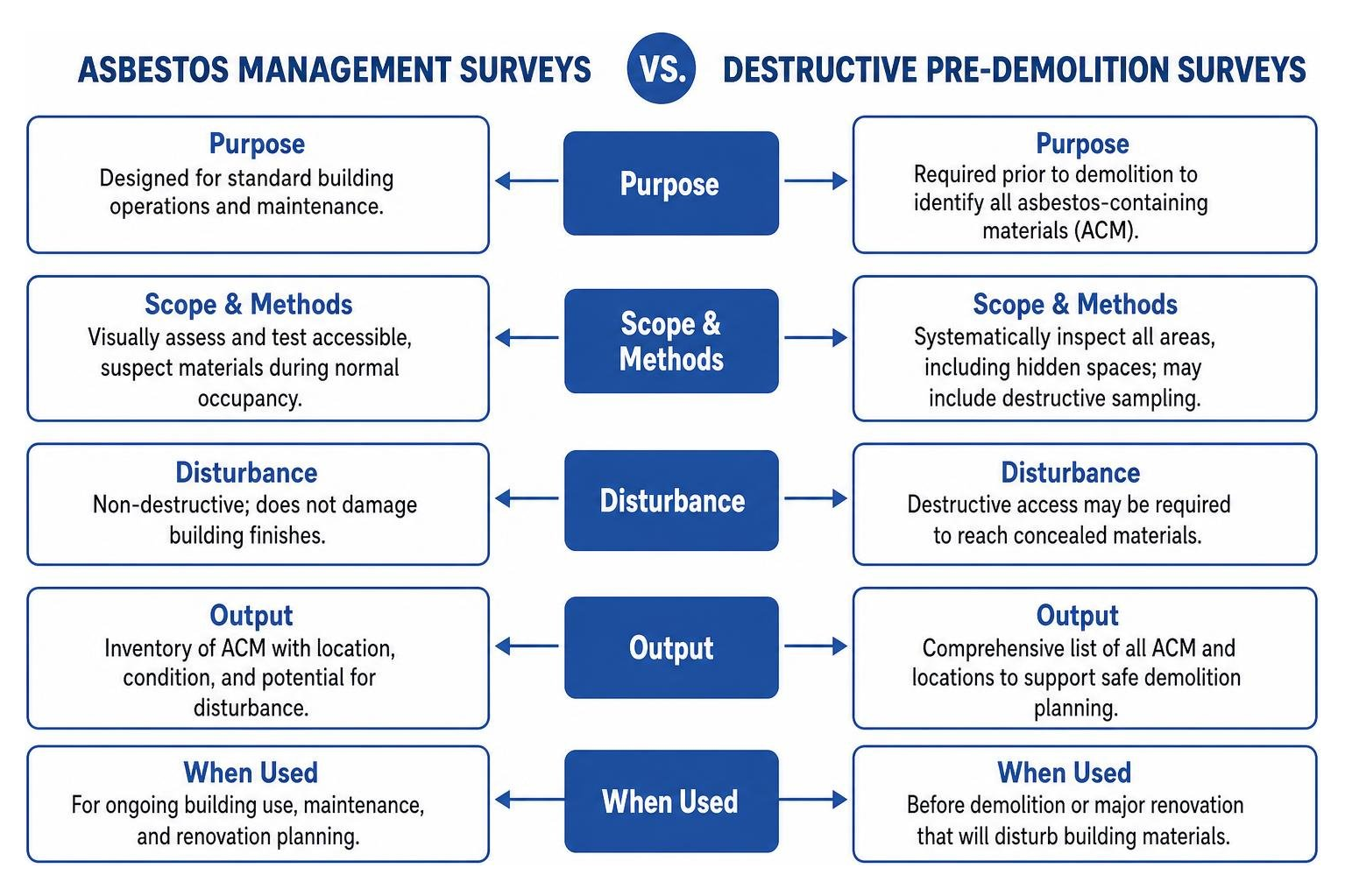
The scope of an asbestos survey must match your facility’s operational goals:
- Management Survey (Baseline Asbestos Survey): Designed for standard building operations and maintenance. Inspectors visually assess and test accessible, suspect materials during normal occupancy without damaging finishes. The survey produces an inventory of identified asbestos-containing material (ACM), noting its location, condition, and potential for disturbance.
- Pre-Demolition / Pre-Renovation Survey: An exhaustive, intentionally destructive survey required before construction. Inspectors enter wall cavities, subflooring, pipe chases, elevator shafts, mechanical plenums, and structural ceiling voids to uncover concealed hazards. Every layer of construction within the planned project scope is tested.
Building owners navigating these project phases rely on our specialized asbestos inspections to pinpoint hidden hazards and avoid expensive construction stop-work orders.
Ongoing Building Monitoring and Periodic Surveillance Requirements
Identifying asbestos does not automatically mean you must rip it out. If materials are intact and undisturbed, managing them in place under an Operations and Maintenance (O&M) Plan is often the safest path.
Federal and state standards mandate periodic monitoring to verify that encapsulated or intact materials do not degrade over time:
- 6-Month Periodic Surveillance: A visual assessment of all known or assumed ACM to identify localized damage, water leaks, or physical wear.
- 3-Year AHERA Re-Inspections: Mandated for K-12 school systems, requiring a licensed inspector to re-assess all documented ACM, evaluate changes in condition, and update management plans.
We regularly conduct this ongoing oversight, such as our routine school asbestos surveillance in Friona, helping school administrators maintain safe classrooms through our routine asbestos surveillance programs.
The Inspection Process, Sampling Standards, and Laboratory Analysis
Professional building surveys require rigorous, statistically validated sampling protocols rather than random guesswork. Under standard sampling rules (referencing 40 CFR 763.86 and ASTM E2356), materials are grouped into “homogeneous areas”—surfaces uniform in color, texture, age, and manufacturing date.

State and federal protocols specify exact sample minimums based on material categories and surface areas:
- Surfacing Materials (plasters, acoustic sprays, fireproofing):
- Collect at least 3 bulk samples from homogeneous areas of 1,000 or fewer square feet or linear feet.
- Collect at least 5 bulk samples from homogeneous areas between 1,000 and 5,000 square feet or linear feet.
- Collect at least 7 bulk samples from homogeneous areas greater than 5,000 square feet or linear feet.
- Thermal System Insulation (TSI):
- Collect at least 3 randomly distributed samples from each homogeneous TSI area.
- Collect at least 1 sample from each patched TSI section containing less than 6 linear or square feet.
- Miscellaneous Materials (floor tiles, mastics, ceiling tiles, transite panels):
- Collect at least 2 to 3 representative samples per homogeneous area, or test each distinct component layer.
These strict protocols guided our team during a complex dormitory inspection and abatement project, where high-density student living spaces demanded precise environmental characterization.
Step-by-Step Procedure During Professional Asbestos Inspections
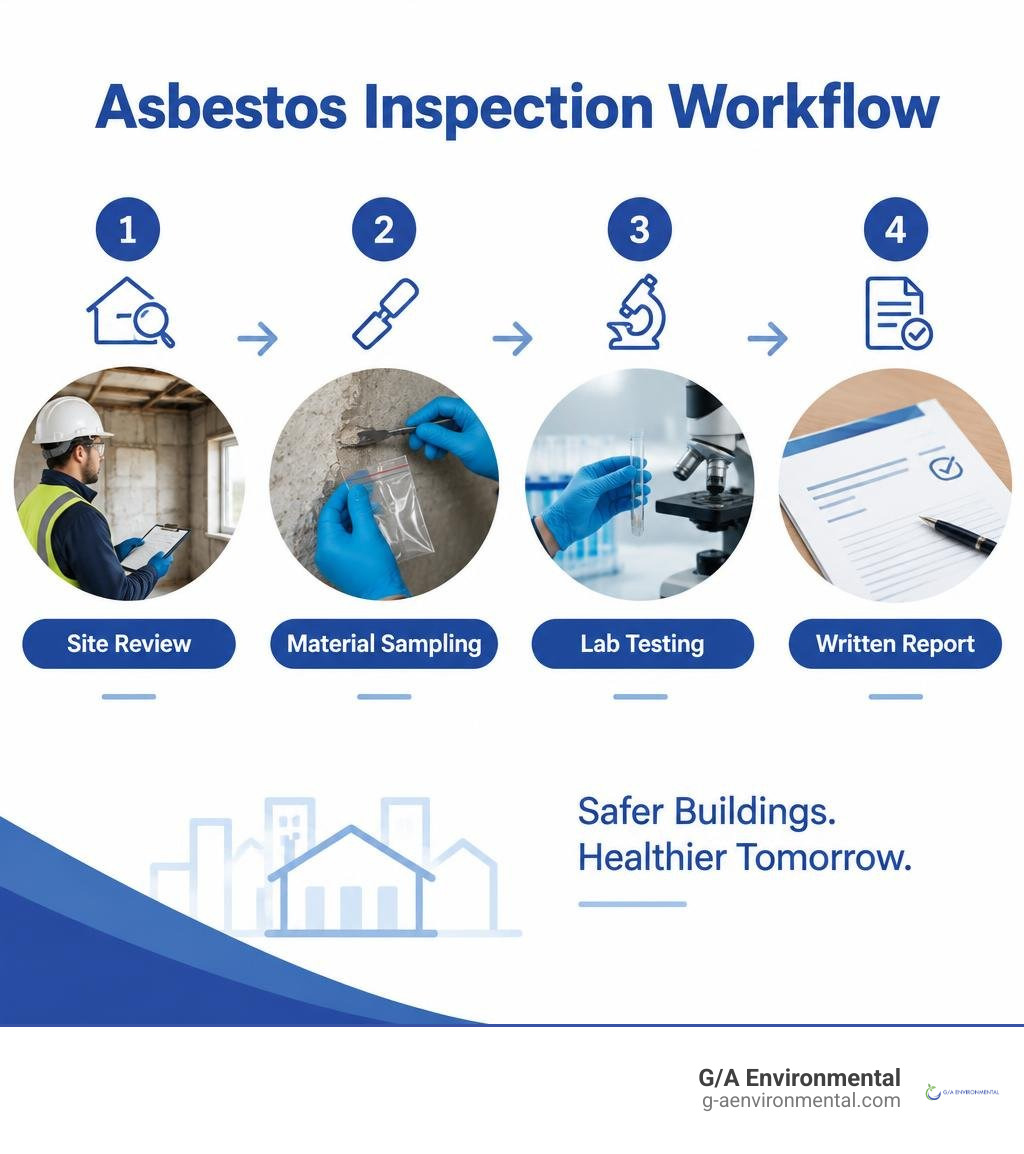
When licensed inspectors evaluate your facility, they follow four structured phases:
- Initial Review & Visual Walkthrough: The inspector examines historical architectural blueprints, maintenance records, and project scopes, followed by a walkthrough to establish homogeneous sampling zones.
- Physical Assessment & Hazard Categorization: The inspector checks material friability and documents damage (water staining, gouges, flaking) and potential disturbance factors (air currents, vibration, occupant access).
- Controlled Bulk Sampling: Using wet-mist techniques, HEPA-equipped tools, and clean sampling cores, the inspector extracts small material specimens. Core holes are immediately patched and sealed to prevent fiber release.
- Sample Logging & Chain of Custody: Each sample receives a unique identifier, GPS/room location data, and a formal Chain of Custody (COC) manifest before transport to a laboratory accredited by the National Voluntary Laboratory Accreditation Program (NVLAP).
Every inspection culminates in an official inspection report that must contain:
- Complete inspector credentials, state licenses, and accredited laboratory certificates
- Detailed title page, facility description, and project scope summary
- Homogeneous area mapping and exact sample collection location blueprints
- Material descriptions, estimated quantities (square feet or linear feet), and friability classifications
- Laboratory analytical certificates with analytical percentages and fiber types
- Recommended response actions, hazard priorities, and management protocols
Laboratory Analytical Methods: PLM vs. TEM
Laboratories rely on two primary microscopy techniques to confirm asbestos content in bulk materials:
- Polarized Light Microscopy (PLM): The standard EPA analytical method (EPA/600/R-93/116). It uses polarized light to identify the unique optical properties, refractive indices, and crystal structures of the six regulated asbestos minerals (chrysotile, amosite, crocidolite, anthophyllite, tremolite, and actinolite). A material containing greater than 1% asbestos by PLM point-count is legally classified as an Asbestos-Containing Material (ACM).
- Transmission Electron Microscopy (TEM): An advanced method utilizing high-energy electron beams at magnifications exceeding 20,000x. TEM resolves extremely fine fibers bound in non-friable matrices (such as vinyl floor tiles, mastics, and exterior coatings) that fall below the optical resolution of PLM. TEM is also the standard analytical method for post-abatement air clearance in schools under AHERA.
| Feature / Metric | Polarized Light Microscopy (PLM) | Transmission Electron Microscopy (TEM) |
|---|---|---|
| Primary Application | Standard bulk building material surveys | Non-friable organics (mastics, VCT), fine fibers, air clearance testing |
| Magnification Range | 100x – 400x | 20,000x – 100,000x+ |
| Typical Cost per Sample | $25 – $75 | $100 – $300 |
| Standard Laboratory Turnaround | 3 – 7 business days | 5 – 10 business days |
| Detection Limit | 1% (optical point counting) | < 0.1% (detects ultrafine sub-microscopic fibers) |
Costs, DIY Risks, and Post-Inspection Action Plans
Understanding testing costs and remediation requirements helps property owners budget accurately for their projects:
- Residential Inspection Rates: Complete residential surveys typically range between $200 and $800, depending on square footage, building age, and the number of samples collected.
- Laboratory Fees: Standard PLM bulk sample runs cost $25 to $75 per sample, while complex TEM analysis runs $100 to $300 per sample. Rush laboratory turnarounds (24-to-48 hours) incur additional surcharges.
- State Administrative Filing Fees: When renovations disturb regulated asbestos-containing material (RACM), state environmental departments assess Notice of Intent (NOI) permitting fees:
- Demolition NOI Fees: Ranging from $75 for small quantities to $375 for projects disturbing 160 square feet or 260 linear feet or more of RACM.
- Renovation NOI Fees: Tiered from $225 for 160 sq ft / 260 linear ft up to 5,000 sq/linear ft, reaching $750 for large-scale industrial projects exceeding 10,000 sq/linear ft.
- Professional Licensing: Annual licensing and certification fees ensure personnel competency (e.g., $25 annual worker fees; $115 annual discipline fees for inspectors, project designers, and management planners; and $375 for licensed consulting and contracting firms).
Property owners should consult certified professional asbestos abatement services rather than attempting hazardous removals themselves.
Responsibilities After Asbestos Is Identified
If the inspection report confirms asbestos on your property, you must take four immediate steps:
- Review and Store Records: Keep the final inspection report and laboratory data on file as permanent building records. Disclose findings to staff, tenants, and construction contractors before disturbing any building components.
- Assess Material Condition: If the ACM is undamaged and in a low-traffic area, implement an Operations and Maintenance (O&M) plan to monitor the material safely in place.
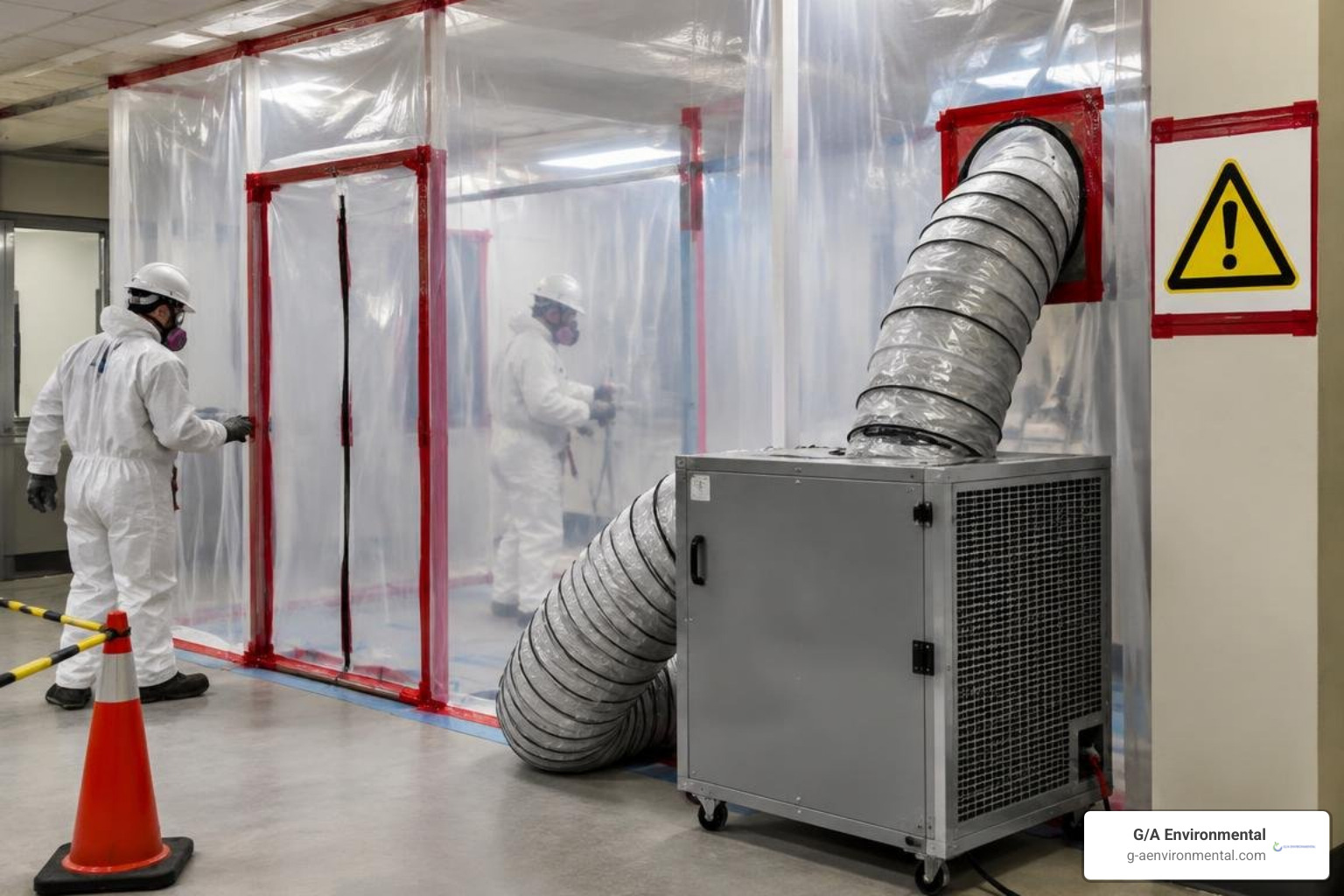
- Design Abatement Protocols: If you are remodeling or demolishing the structure, hire a licensed asbestos project designer to prepare technical specifications for containment, negative air pressure filtration, and waste disposal.
- Hire an Independent Licensed Contractor: Contract an independent, state-licensed asbestos abatement firm to remove the material. The original inspection firm should perform independent third-party air monitoring and final clearance testing to confirm the area is clean before re-occupancy.
We executed this exact turnkey project management and compliance process during our work on a major university facility abatement project, protecting students and faculty while keeping renovations on schedule.
Frequently Asked Questions About Asbestos Testing
Can a homeowner collect their own asbestos samples?
While hardware stores sell DIY collection kits, we strongly advise against home sampling. Cutting, scraping, or disturbing suspect popcorn ceilings or pipe insulation without containment or negative air releases millions of microscopic fibers directly into living spaces.
Furthermore, self-collected samples lack professional Chain of Custody documentation and are legally inadmissible for commercial transactions, municipal building permits, and formal demolition authorizations. Always hire a state-certified asbestos inspector equipped with proper respiratory protection and containment tools.
How long are asbestos inspection reports valid before renovation or demolition?
Under environmental regulatory standards, an asbestos building inspection report remains valid for three years prior to the start of renovation or demolition work. If your documentation exceeds three years, a licensed inspector must perform an updated walk-through survey to verify material conditions, test any newly exposed suspect materials, and confirm no unrecorded renovations have occurred.
How much does an asbestos inspection typically cost?
A typical residential inspection ranges between $200 and $800. Commercial and industrial facility surveys scale based on total square footage, mechanical layout complexity, and the number of homogeneous areas sampled. Per-sample laboratory fees add $25 to $75 for standard PLM analysis and $100 to $300 for TEM testing.
Conclusion
Handling environmental compliance does not have to stall your construction schedule. An asbestos inspection provides the clarity and data you need to protect building occupants, avoid regulatory penalties, and budget for your renovation or demolition.
With more than 40 years of full-service expertise, G/A Environmental integrates engineering insight with cutting-edge environmental testing. Contact our West Texas team today for certified asbestos consulting and inspection services to ensure your property remains safe, compliant, and ready for work.