When to Choose Asbestos Same Day Testing for Fast Turnarounds
Asbestos same day testing uses rush mobile sampling or direct laboratory drop-off to deliver Polarized Light Microscopy (PLM) results within hours to 24 hours, rather than the standard five to seven business days, so your project does not stall while results are pending. When managing a property, discovering an unknown textured coating, pipe wrap, or ceiling tile right before a project begins can halt operations. Choosing rapid sampling keeps projects on track while maintaining occupant safety.
Critical scenarios where rapid sampling is essential include:
- Active Remodeling Halts: You or your general contractor uncover suspect acoustic plaster or drywall mud mid-demolition. Pausing a construction crew costs money, but proceeding without confirmation creates substantial health and liability risks.
- Time-Sensitive Real Estate Transactions: During property acquisitions, lenders and buyers often request fast assessments to address inspection contingencies before closing.
- Accidental Material Damage: A plumbing leak, falling object, or electrical retrofit cuts into an older ceiling. Immediate identification determines whether the area requires specialized containment and air scrubbing.
- Commercial Tenant Fit-Outs: Meeting lease start dates requires rapid permit approval and environmental sign-offs.
Risks of Disturbing Materials Before Test Verification
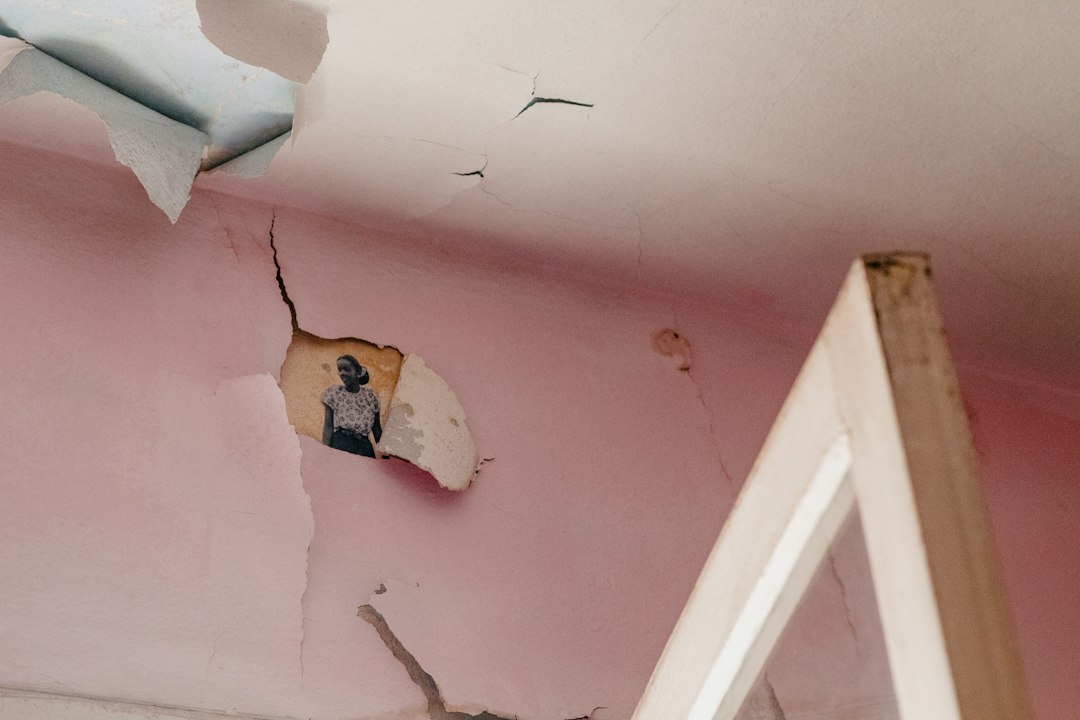
Textured finishes, acoustic plaster, and popcorn ceilings applied before the mid-1980s frequently contain chrysotile asbestos. When undisturbed, these materials present minimal risk. However, scraping, sanding, cutting, or drilling makes them friable, releasing microscopic mineral fibers into the air.
Inhaling these airborne fibers can cause severe, irreversible health conditions over time, including asbestosis, lung cancer, and mesothelioma. Beyond personal health hazards, uncontained fiber releases cross-contaminate HVAC systems, carpeting, and soft furnishings, turning a localized repair into a major remediation project.
Legal and Compliance Requirements for Building Permits
State and federal environmental regulations require commercial and public facilities to undergo thorough surveys before any demolition or renovation activity. Municipal building departments routinely require certified inspection reports before issuing structural, mechanical, or demolition permits.
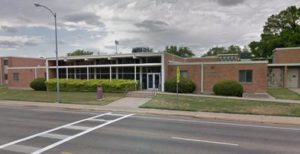
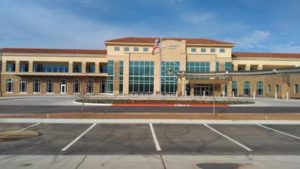
Navigating these requirements is a routine part of commercial property management. For instance, our team handled an asbestos inspection at a commercial building in Lubbock Texas, demonstrating how structured sampling protocols provide the necessary documentation to satisfy regulatory requirements without stalling construction schedules.
How Rapid Asbestos Testing Works from Collection to Results
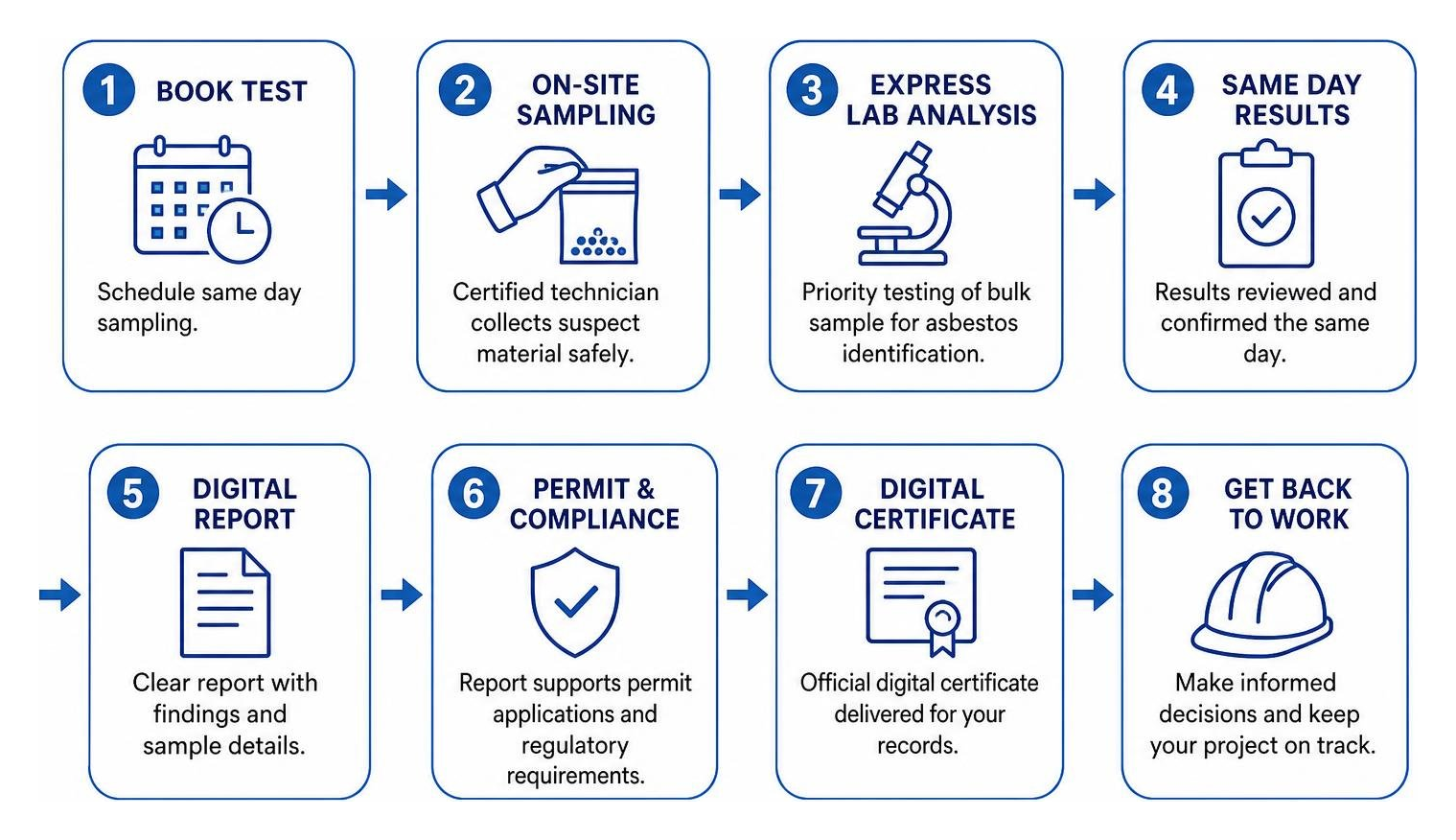
Accelerating the testing timeline requires clear protocols at each stage of the process:

- Site Arrival and Area Prep: The inspector assesses the site, identifies homogeneous areas, and sets up personal protective equipment (PPE).
- Controlled Wet Sampling: The technician applies a fine water mist to the specific test area to prevent fiber release, carefully collecting a full-depth cross-section of the material.
- Airtight Containment: The sample is placed in clean, sealable containers, double-bagged, and cataloged.
- Chain-of-Custody Documentation: The inspector completes formal tracking paperwork detailing the date, time, location, and condition of each sample.
- Direct Laboratory Drop-Off: Rather than using standard mail, the inspector hand-delivers or couriers the batch directly to an accredited facility for priority processing.
- Polarized Light Microscopy (PLM) Analysis: The laboratory analyzes the sample structure and percentage composition, generating a certified report.
How Asbestos Same Day Testing Works for Urgent Projects
For time-sensitive projects, speed depends on direct handling. While standard postal shipping can extend the process by several business days, a specialized laboratory can analyze bulk samples within hours once received.
When you schedule professional mobile sampling, the inspector collects the full-depth core, seals the substrate, and delivers the sample directly to the lab intake desk. This direct workflow avoids shipping delays and allows the laboratory to begin Polarized Light Microscopy (PLM) testing right away.
Inspector Qualifications and Lab Accreditation Standards
To ensure your test results are legally recognized and accurate, work exclusively with qualified professionals and accredited facilities:
- Inspector Licensing: In Texas, asbestos inspectors must complete comprehensive training, maintain state licensing through regulatory health departments, and carry individual certifications.
- Laboratory Accreditation: Confirm that the analytical facility holds accreditation through the National Voluntary Laboratory Accreditation Program (NVLAP) for bulk asbestos analysis.
- Comprehensive Documentation: A valid report must feature complete chain-of-custody tracking, sample point descriptions, the specific analytical method utilized (such as EPA-600/M4-82-020), and the analyst’s signature.
Our field experience across varied institutional settings—from managing a commercial building asbestos inspection to specialized educational facilities—demonstrates that adhering strictly to NVLAP and state guidelines prevents costly re-testing down the road.
Comparing Asbestos Testing Turnaround Options
Selecting the right testing pathway depends on balancing your project timeline against budget requirements and formal compliance needs.
| Testing Pathway | Typical Turnaround Time | Primary Use Case | Chain of Custody Included? | Legally Accepted for Permitting? |
|---|---|---|---|---|
| Same-Day Mobile Service | 24 to 48 Hours | Urgent renovations, active disturbances, property closings | Yes (Inspector managed) | Yes |
| Direct Lab Drop-Off | 24 Hours (with rush fee) | Contractor-collected samples needing immediate results | Yes (Client initiated) | Varies by jurisdiction |
| Standard Professional Inspection | 3 to 5 Business Days | Planned remodels, general property surveys | Yes (Inspector managed) | Yes |
Understanding Asbestos Same Day Testing Costs and Rush Fees
Pricing for rapid asbestos evaluations combines the on-site inspection fee with laboratory rush surcharges:
- Standard Field Inspection: A licensed residential site visit covering one to three samples generally ranges from $200 to $500, with additional samples costing $25 to $75 each.
- Same-Day Mobile Sampling Dispatch: Mobile services focused on urgent collection typically cost $150 to $350 for the site visit alone.
- Standard Lab Analysis: Baseline PLM analysis ranges between $25 and $50 per sample.
- Rush Processing Surcharges: Same-day or 24-hour turnaround lab surcharges add $20 to $40 per sample (or a $40 to $80 total analysis fee per rushed sample).
- Combined Cost: A property owner can expect a total expense of roughly $200 to $400 for a single-sample rapid mobile collection and priority lab turnaround.
Reliability and Legal Acceptance of Test Results
Informal or non-certified sampling methods rarely meet legal requirements for building permits, municipal sign-offs, or real estate disclosures.
Because regulatory agencies and lenders require verification of sampling methodology and exact location, uncertified sampling lacks an unbroken chain of custody and legally binding documentation.
In contrast, reports produced by licensed inspectors and accredited laboratories are fully recognized for municipal permits, real estate transactions, insurance claims, and structured asbestos abatement project management.
What to Do Immediately When Test Results Confirm Asbestos

Receiving a positive lab result (greater than 1% asbestos content by weight) means you must shift from testing to safe site management:
- Halt Construction Work: Stop any activity in the affected area immediately. Turn off forced-air heating and cooling systems to prevent fiber circulation through ductwork.
- Restrict Access: Close off doors leading into the space, post clear warning signs, and keep all occupants and pets away from the room.
- Leave the Material Alone: Do not try to clean up debris with standard household brooms or vacuum cleaners, as standard filters exhaust microscopic fibers directly back into the air.
- Hire a Licensed Abatement Contractor: Engage an independent, licensed abatement firm to remove or encapsulate the material behind heavy-gauge polyethylene barriers with negative-pressure air filtration.
- Conduct Independent Clearance Testing: Once abatement finishes, hire an independent third party to perform clearance air monitoring. An industrial hygienist collects air samples (typically costing $300 to $800 for the site visit plus $30 to $75 per air sample, running a minimum of three to five samples) to verify airborne fiber levels are safely below 0.01 fibers per cubic centimeter (f/cc) before the space is cleared for re-entry.
Frequently Asked Questions About Rapid Asbestos Testing
How fast can I get asbestos test results?
With same-day mobile collection and accredited laboratory rush processing, written reports are typically completed within 24 to 48 hours. When you drop off an existing sample at the lab early in the morning, results can often be returned the same afternoon.
How should samples be collected for same-day testing?
If you must collect a sample yourself before taking it to a lab, safety is critical:
- Wear an N100 or P100 respirator and disposable gloves.
- Lightly mist the material with soapy water to minimize dust.
- Cut a clean, full-depth core (about the size of a quarter) that captures both the texture layer and base compound.
- Place the sample into a zip-top plastic bag, seal it completely, wipe the outer surface clean, and place it into a second sealed bag.
What is the difference between PLM bulk testing and air clearance testing?
Polarized Light Microscopy (PLM) bulk testing identifies whether a physical solid material contains asbestos fibers and quantifies the concentration by percentage.
Air clearance testing, on the other hand, uses Phase Contrast Microscopy (PCM) or Transmission Electron Microscopy (TEM) to measure airborne fiber levels following an abatement project, confirming the space is safe for re-occupancy.
Conclusion
When construction timelines are tight or suspect materials are accidentally disturbed, rapid asbestos sampling delivers the critical data needed to keep your project safe and compliant. Using accredited testing protocols protects both the property’s occupants and your bottom line.
From our 40+ years of environmental consulting experience in West Texas, G/A Environmental provides clear guidance across all phases of site safety—including comprehensive inspections, project design, and final clearance monitoring. To ensure your property remains compliant and safe, consult our team for professional asbestos testing and consulting services.